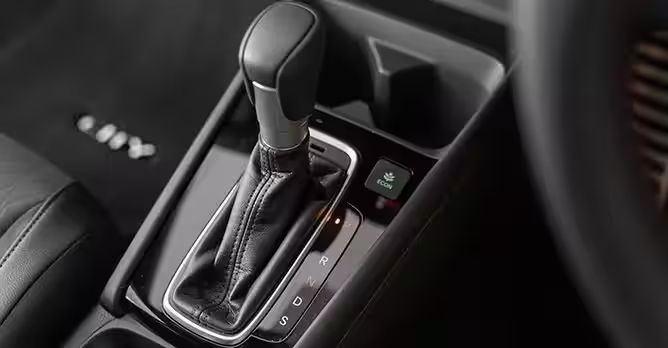
Automated Manual Transmission (AMT) makes driving easier by combining the convenience of automatic gear shifting with the basic mechanism of a manual gearbox. Although AMT systems are designed for comfortable driving, they can develop problems over time due to regular wear, driving conditions, or a lack of maintenance. Understanding the common signs of AMT gearbox problems can help you identify issues early and avoid expensive repairs.
“Smooth driving starts with a well-maintained transmission.” – AKM Motocare
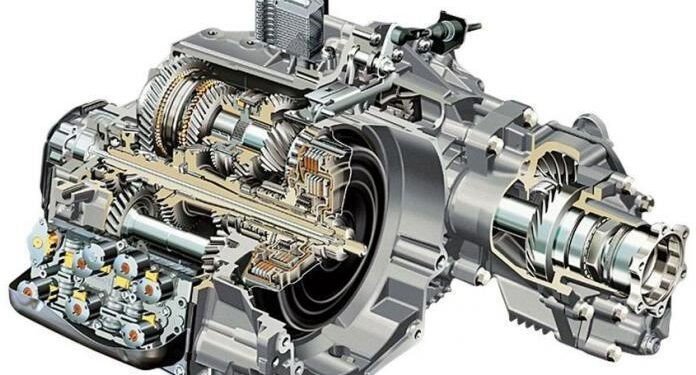
Common Signs of AMT Gearbox Problems
AMT transmission issues may appear gradually or suddenly. Paying attention to changes in gear shifting and vehicle performance can help you recognise potential problems.
- Jerking During Gear Shifts: Noticeable jerks while changing gears may indicate clutch or transmission control issues.
- Delayed Gear Shifting: A delay between selecting a gear and the actual gear engagement can indicate an actuator or system-related problem.
- Difficulty Engaging Gears: The transmission may struggle to select the required gear or remain in neutral unexpectedly.
- Unusual Noises: Grinding, clicking, or other unusual sounds during gear changes may indicate a mechanical issue.
- Warning Lights: Transmission-related warning lights on the dashboard may indicate an electronic or mechanical fault.
- Reduced Driving Performance: Unexpected changes in acceleration or gear response may suggest a transmission problem.
What Causes AMT Gearbox Problems?
Several factors can affect the performance of an AMT transmission. Some of the common causes include:
- Clutch Wear: Continuous use can cause clutch components to wear down, affecting smooth gear engagement.
- Actuator Issues: Problems with clutch or gear-shift actuators can lead to delayed or improper gear changes.
- Sensor Malfunctions: Faulty sensors may send incorrect information to the transmission control system.
- Electronic Control Problems: Issues with the transmission control unit or its wiring can affect gear selection and shifting.
- Incorrect Calibration: Improper clutch or gear actuator calibration can result in jerking and inconsistent gear shifts.
- Lack of Maintenance: Ignoring recommended inspections and maintenance can contribute to transmission performance issues.
Identifying the actual cause requires a proper inspection and diagnostic check. Avoid replacing transmission components without confirming the underlying problem.
Why Is Regular AMT Gearbox Servicing Important?
Regular AMT transmission inspection helps maintain smooth gear changes and reliable vehicle performance. Some important benefits include:
- Smoother Gear Shifting: Proper inspection and calibration help improve gear transition quality.
- Early Problem Detection: Identifying minor faults early can help prevent more serious transmission issues.
- Better Driving Comfort: A properly functioning AMT system provides a more comfortable driving experience.
- Improved Reliability: Checking actuators, sensors, and electronic components helps maintain consistent performance.
- Reduced Repair Costs: Timely attention to transmission problems may help avoid major component damage.
When Should You Get Your AMT Gearbox Serviced?
You should get your AMT transmission inspected whenever you notice jerking, delayed gear changes, unusual noises, warning lights, or difficulty engaging gears. Even if your vehicle appears to be working normally, follow the manufacturer's recommended inspection and maintenance schedule. If you experience sudden transmission problems, avoid continuing to drive the vehicle unnecessarily and arrange a professional inspection.
How Is AMT Gearbox Servicing Performed?
Professional AMT servicing begins with a detailed inspection of the transmission system. Technicians use diagnostic equipment to identify fault codes and check the clutch, gear actuators, sensors, and electronic controls. Depending on the findings, the required servicing, repairs, or calibration are carried out. A final performance test helps confirm that the transmission is operating correctly.
Why Choose Professional AMT Transmission Care?
AMT systems combine mechanical and electronic components, so diagnosing transmission problems requires the right tools and technical knowledge. At AKM Motocare, we focus on identifying the cause of AMT-related issues through proper inspection and diagnostics. Our aim is to improve gear-shifting performance, address potential faults, and help keep your vehicle running reliably.
Final Thoughts
AMT gearbox problems should never be ignored, especially when you notice jerking, delayed shifting, unusual noises, or dashboard warnings. Early diagnosis and timely servicing can help maintain smooth transmission performance and prevent more serious repairs. If your vehicle is showing signs of AMT transmission trouble, contact AKM Motocare for a professional inspection and reliable AMT servicing.
Leave a comment