
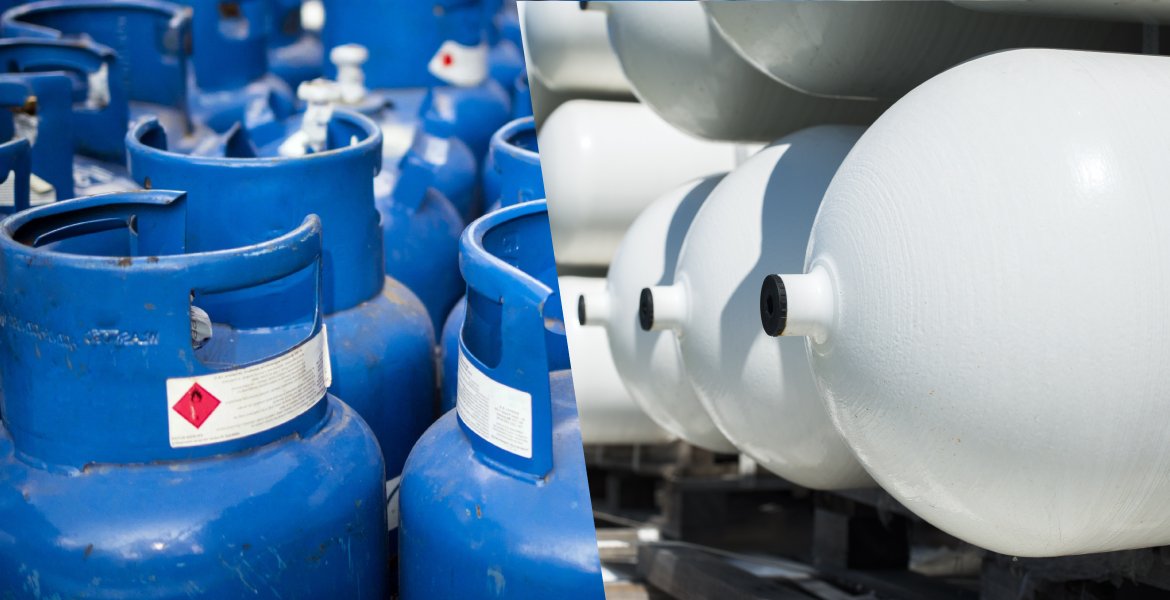
With rising fuel expenses, many car owners are exploring alternative fuel options to reduce their everyday running costs. CNG (Compressed Natural Gas) and LPG (Liquefied Petroleum Gas) are two popular alternatives to petrol. Both offer potential savings and can be suitable for certain vehicles. But which option is better for your car? Understanding their differences, benefits, costs, and installation requirements can help you make the right decision.
“Choosing the right fuel system can make every journey more economical.” – AKM Motocare

What Is CNG Conversion?
CNG conversion involves installing a specially designed system that allows a compatible petrol vehicle to run on compressed natural gas. The system typically includes a CNG cylinder, pressure regulator, fuel lines, injectors, and electronic control components. When properly installed and maintained, a CNG system can offer economical vehicle operation and reduced tailpipe emissions compared with petrol.
What Is LPG Conversion?
LPG conversion allows a compatible petrol vehicle to use liquefied petroleum gas as an alternative fuel. The installation generally includes an LPG tank, regulator, fuel delivery components, and electronic controls. LPG is stored in liquid form under pressure and converted into gas before being supplied to the engine. A properly installed system can provide an alternative way to manage fuel expenses.
CNG vs LPG: Key Differences
Both fuels have their own advantages and considerations. Here are some important factors to compare before choosing a conversion system:
- Fuel Storage: CNG is stored as compressed gas in high-pressure cylinders, while LPG is stored as a liquid under pressure in a suitable tank.
- Fuel Availability: Availability depends on the refuelling infrastructure in your area. Check nearby stations before making a decision.
- Installation: Both systems require vehicle-compatible components and professional installation.
- Running Costs: Actual savings depend on local fuel prices, mileage, vehicle usage, and conversion costs.
- Boot Space: The installed cylinder or tank may reduce the available luggage space.
- Maintenance: Both systems require periodic inspections and maintenance according to the manufacturer's recommendations.
Benefits of Converting Your Car to CNG or LPG
Depending on your vehicle and driving requirements, alternative fuel conversion can offer several benefits:
- Potential Fuel Savings: Alternative fuels may help reduce running expenses depending on local fuel prices and usage.
- More Fuel Options: A compatible dual-fuel vehicle can provide flexibility between petrol and the alternative fuel.
- Lower Tailpipe Emissions: CNG and LPG can produce lower emissions of certain pollutants compared with petrol, depending on vehicle technology and operating conditions.
- Daily Driving Convenience: Having an alternative fuel option can be useful for frequent commuters.
- Long-Term Value: Frequent drivers may recover some conversion costs through potential fuel savings over time.
Which Is Better for Your Car: CNG or LPG?
There is no single option that suits every vehicle. The right choice depends on your car manufacturer's compatibility requirements, local fuel availability, driving distance, budget, and intended usage. Compare the installation cost and expected running expenses before deciding. A professional inspection can help determine whether your vehicle is suitable for either conversion.
Why Professional Installation Matters
Fuel conversion involves high-pressure or pressurised fuel components and must be handled carefully. Always choose an approved system that is compatible with your vehicle and installed by qualified technicians. Proper installation, leak testing, calibration, and documentation are essential for safe operation. Never use unapproved kits or make modifications to the fuel system yourself.
Why Choose AKM Motocare?
At AKM Motocare, we focus on vehicle-compatible CNG and LPG solutions with attention to installation quality and system safety. Our approach includes vehicle inspection, suitable system recommendations, professional fitting, leak checks, and performance testing. We aim to help you understand your options and choose a suitable alternative fuel solution for your vehicle.
Final Thoughts
Both CNG and LPG can be practical alternatives to petrol when the vehicle is compatible and the system is installed correctly. Before making a decision, consider fuel availability, installation expenses, maintenance requirements, and your everyday driving needs. Contact AKM Motocare for professional guidance and assistance with CNG and LPG conversion for your car.
Leave a comment