
Modern cars depend on electrical systems for starting the engine, operating lights, powering accessories, and controlling important vehicle functions. From the battery and alternator to sensors, wiring, and electronic control units, every component plays an important role. When something goes wrong, your vehicle may show warning signs that should not be ignored. Recognising these symptoms early can help prevent unexpected breakdowns and costly repairs.
“Small electrical warning signs can point to bigger problems.” – AKM Motocare
7 Common Warning Signs of Car Electrical Problems
Electrical faults can affect different parts of your vehicle. Here are seven common symptoms to watch for:
- Difficulty Starting the Car: Slow engine cranking or repeated starting issues may indicate a weak battery, poor connections, or a starter system problem.
- Dim or Flickering Lights: Headlights or dashboard lights that become dim or flicker may indicate battery, alternator, or wiring issues.
- Battery Warning Light: If the battery symbol appears on your dashboard while driving, the charging system may need inspection.
- Electrical Accessories Not Working: Problems with power windows, central locking, infotainment, or other accessories may point to electrical faults.
- Blown Fuses: Repeatedly blown fuses can indicate an overloaded circuit, short circuit, or wiring problem.
- Burning Smell: A burning plastic or electrical smell may indicate overheating wiring or an electrical component fault. Stop using the affected system and arrange an inspection.
- Dashboard Warning Lights: Unexpected warning lights or electronic system alerts may indicate a sensor, wiring, or control system issue.
What Causes Car Electrical Problems?
Several factors can affect your vehicle's electrical system. Some of the common causes include:
- Weak or Old Battery: A battery that has reached the end of its service life may struggle to supply enough power.
- Alternator Issues: A faulty alternator may not charge the battery properly while the engine is running.
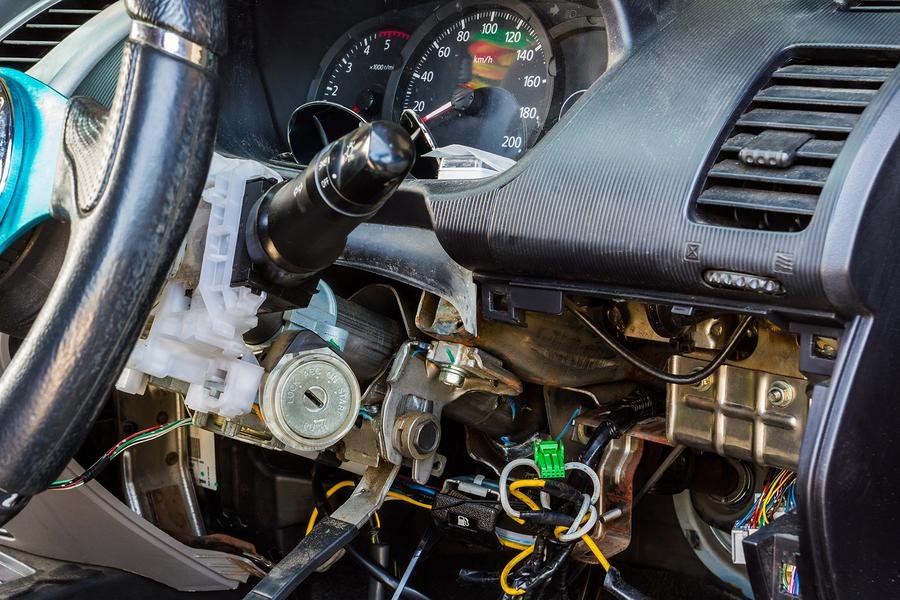
- Damaged Wiring: Worn, loose, or damaged wires can interrupt electrical connections.
- Corroded Battery Terminals: Corrosion can affect the connection between the battery and the vehicle's electrical system.
- Blown Fuses or Faulty Relays: Damaged electrical protection components can stop individual systems from working.
- Sensor or Control Unit Faults: Electronic components may develop faults that affect vehicle functions.
Why Should You Never Ignore Electrical Warning Signs?
Even a small electrical issue can affect multiple vehicle systems if left unchecked. Timely diagnosis and repair offer several benefits:
- Prevents Unexpected Breakdowns: Identifying battery and charging issues early helps reduce the risk of being stranded.
- Protects Vehicle Components: Resolving wiring and voltage issues can help prevent damage to connected electronics.
- Maintains Road Safety: Properly functioning headlights, indicators, brake lights, and other electrical systems are essential for safe driving.
- Reliable Vehicle Operation: A healthy electrical system supports consistent starting and operation.
- Avoids Further Repairs: Early diagnosis may prevent minor faults from affecting other components.
What Should You Do When You Notice an Electrical Problem?
If you notice flickering lights, starting difficulties, warning indicators, or malfunctioning accessories, arrange a professional inspection. Avoid repeatedly replacing fuses or attempting wiring repairs without identifying the cause. If you notice smoke, sparks, or a burning smell, stop the vehicle safely, switch off the engine, and seek professional assistance.
How Are Car Electrical Problems Diagnosed?
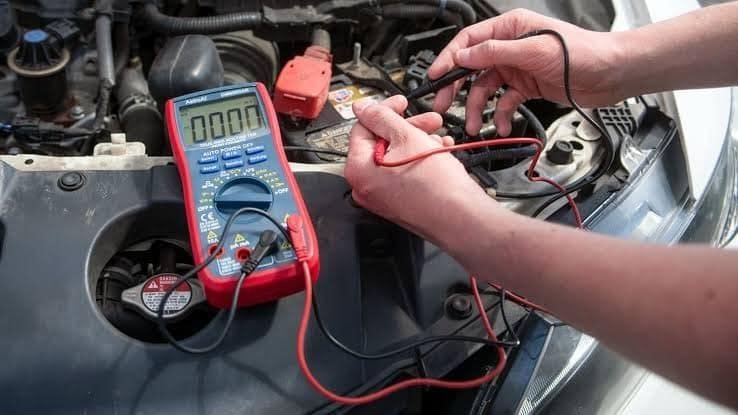
Professional electrical diagnosis usually begins with a visual inspection of the battery, terminals, wiring, and fuses. Technicians may then test battery voltage, alternator output, electrical connections, and related components. Diagnostic equipment can also help identify fault codes stored in the vehicle's electronic control systems. Once the root cause is identified, the necessary repair or replacement can be recommended.
Why Choose AKM Motocare for Electrical Services?
At AKM Motocare, we focus on identifying electrical issues through systematic inspection and diagnostic checks. From battery and charging system concerns to wiring, lighting, and electronic component faults, our aim is to help restore reliable vehicle operation and keep your car's electrical systems functioning properly.
Final Thoughts
Car electrical problems can affect safety, performance, and everyday convenience. Paying attention to warning signs such as dim lights, starting difficulties, battery alerts, and malfunctioning accessories can help you identify issues before they become serious. If your vehicle shows any electrical symptoms, contact AKM Motocare for a professional inspection and reliable electrical service.
Leave a comment